


Exploring the World of Deepfake AI: Changing the Concept of Creation with Ethical Implications
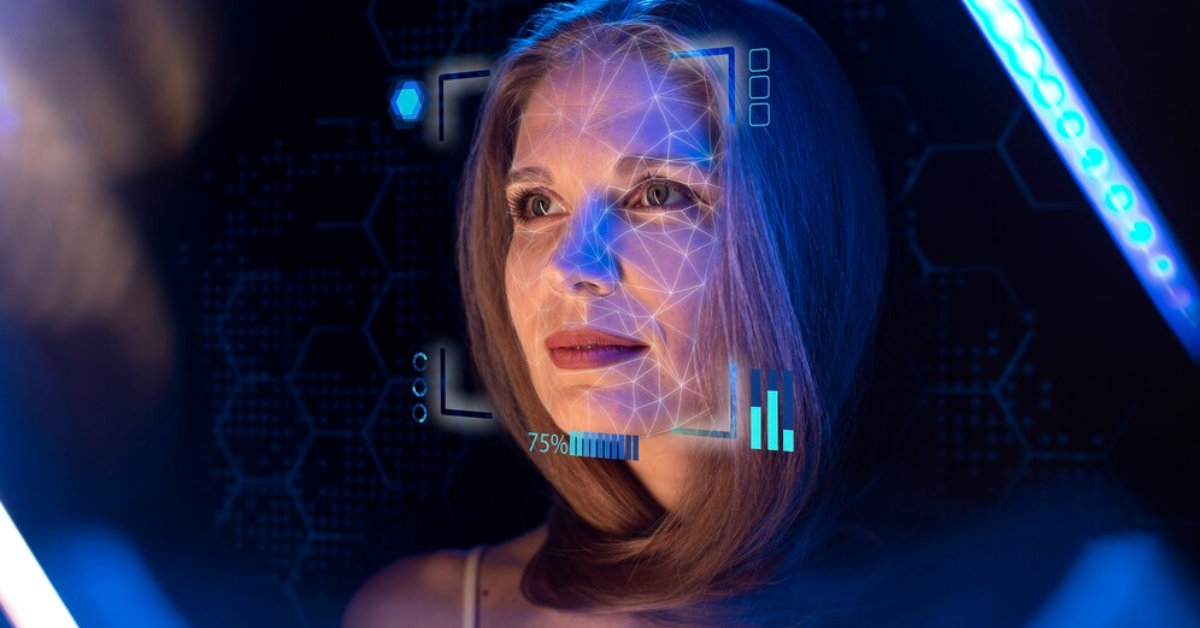
Artificial Intelligence (AI) has revolutionized different industries through deepfake technology that leads the way in content creation evolution. Machine learning through Deepfake AI programs enables users to modify images and videos yet both supporters and detractors have emerged because of this technology. Media and entertainment sectors along with advertisers benefit from the extensive practical uses of this ability to produce realistic content and alter existing items. Belonging to a power structure demands total responsibility from its members. This discussion examines deepfake AI technology together with innovative free software generators that enable easy deepfake creation. This essay looks at deepfake AI technology while examining its functionalities and both favorable aspects and difficult issues.
What is Deepfake AI?
The process of using artificial intelligence and machine learning techniques as well as algorithms to develop or modify visual and auditory information defines Deepfake AI. Deepfake technology derives its name from deep learning combined with fake due to artificial intelligence`s ability to produce real-looking fake visuals and recorded data. These Ai train through neural networks that process the biggest datasets of real content to digitize human appearance and their voice qualities.
A deepfake relies mainly on Generative Adversarial Networks (GANs) with its dual neural network structure where one creates content and the second checks authenticity. The networks become better at their work through time which causes fake content to blend more seamlessly with authentic pieces.

Applications of Deepfake AI
Deepfake AI technologies serve beyond manipulation purposes since they bring substantial benefits toward many different industry fields. These are some of the principal ways deepfake AI finds application:
1. Entertainment and Movies
Through deepfake technology filmmakers can develop digital solutions which integrate actor de-ageing along with bringing back dead stars and making effects impossible to achieve without such technology. Through this technology the system produces virtual actors alongside performing virtual stunts that physical limitations would prevent.
2. Advertising and Marketing
The marketing field employs AI deepfake technology to develop individualized advertising content. A personal approach in advertising lets your admired celebrity converse with you in real-time advertisements. Modern AI technology lets users receive individualized content because of its ability to generate AI-produced content.
3.Education
Educational videos powered by deepfake AI technology allow history to become more vivid for students. Gaining knowledge about famous historical people becomes more authentic through videos featuring their genuine voice delivery.
4. Gaming
Motion picture games employ deepfake technology for creating authentic virtual characters which improve gaming interactions for users. Interactive entertainment experiences receive a unique enhancement through the addition of characters developed with AI technology.

Deepfake AI Image Generator Free Tools:
The ability to access deepfake AI technology has become much easier during the recent years. Users with minimal technical expertise can access free deepfake AI image generator platforms which let them develop their own deepfakes. Internet tools powered by AI and machine learning technologies permit users to upload photos for automatic realistic alteration including facial expression adjustment and face substitution or new image creation.
Popular deep fake AI image generator free tools include the following list:
The Deep Dream Generator tool: enables users to change images by processing them with deep neural networks. The technology enables the creation of artistic content through its main purpose but simultaneously enables deepfake-like modifications that change the appearance of uploaded images.
DeepFaceLab: represents a complicated open-source deepfaking program which enables users to perform face swapping operations between videos and images. Basic apps may be easier to use but DeepFaceLab delivers greater options for customization lic features.
FaceApp: provides AI-based transformations through its features but does not function as a direct deepfake creator since its effects resemble deepfake modifications. Users who want to examine deepfake AI technology can use this tool because it provides an easy-to-use interface and basic functionalities for deepfake exploration.

Ethical Implications of Deepfake AI
The broad possibilities of deepfake AI technology create multiple severe ethical issues. These concerns constitute the main ethical issues regarding deepfake AI technology.
1. Misinformation and Fake News
The major danger of deepfakes stems from their ability to distribute false information without proper distinction from real content. Deepfake creators easily produce artificial videos and audio pieces that stage the misrepresentation of politicians and public figures and normal citizens. Deepfake media content receives use in both political campaigns and social manipulation and becomes a vehicle for financial warfare.
2. Privacy Concerns
The operation of deepfake AI software allows for unauthorized modifications of personal photographs leading to unauthorized use of images. Such a system creates vulnerabilities that lead to misuse which includes spreading damaging information and performing personal rights violations through revenge pornography actions and identity theft practices. The emerging legal system worldwide follows deepfake technology yet its framework to address deepfake crimes remains in development.
3. Trust in Media:
Deepfake AI technology will generate widespread doubt about every digital content people find online. A decline in media credibility will result because audiences will struggle to determine the authenticity of videos and audio clips and photographs once deepfakes become harder to detect.
4. Ethical Use in Entertainment
At present it remains uncertain if deepfakes should be considered morally appropriate for actor resurrection techniques or age-reducing procedures within film projects. To what extent do we damage an individual`s likeness when we do so to deceased persons?

FAQs about Deepfake AI
Q1: What is a deepfake?
A: A deepfake is a type of media (video, image, or audio) that has been manipulated using AI to depict someone doing or saying something they never actually did. It is created using machine learning models like GANs.
Q2: Can I create deepfakes for free?
A: Yes! There are several deepfake AI image generator free tools available online, such as DeepFaceLab, Deep Dream Generator, and FaceApp, which allow you to create basic deepfakes without any cost.
Q3: Is deepfake AI technology illegal?
A: The technology itself is not illegal, but using it for malicious purposes, such as spreading misinformation, violating privacy, or creating harmful content, may be illegal depending on local laws.
Q4: How do I know if a video is a deepfake?
A: Detecting deepfakes can be difficult, but there are certain signs to look for, such as unnatural facial movements, inconsistent lighting, or mismatched audio and video. There are also deepfake detection tools emerging to help with this.
Q5: What are the best deepfake AI tools?
A: Some popular deepfake tools include DeepFaceLab, FaceSwap, and Deep Dream Generator. These platforms range in complexity and are suitable for various use cases, from casual image manipulations to advanced video editing.
Final Thoughts
Technology based on Deepfake AI represents both a fascinating breakthrough that generates multiple creative possibilities and serves various purposes including entertainment and education. The tool presents substantial ethical dilemmas alongside its capabilities that require immediate solutions. Realistically we need to address serious problems including misinformation propagation while guaranteeing privacy standards because these threaten public trust in the media.
Multiple free deepfake AI image generator tools operate in the market to enable users from all skill levels to work with this technology. Everyone should handle deepfake technology appropriately because of its capability to make realistic content. Our acceptance of Artificial Intelligence technology requires ongoing surveillance alongside responsibility and ethical commitment for its beneficial utilization.
The creative world of deepfakes is open for exploration with basic awareness about its practical effects on the world.
Lifestyle